
Kindergarten is a big milestone, for children and for parents. Many families start wondering about it a year or two early: Will my child be ready? What should they know? Is there anything we should be doing now?
The good news is that kindergarten readiness is not about flashcards or reading chapter books at age four. It is about a well-rounded set of skills that children build step by step, mostly through play. A quality pre-K program in Folsom can make that journey smoother and more joyful. Here are ten skills that matter most, and simple ways to support each one at home.
What Does “Kindergarten Ready” Really Mean?
Teachers look at the whole child. Academic basics matter, but so do independence, self-control, getting along with others and a love of learning. A child who can follow a routine, ask for help and keep trying when something is hard is often more ready than a child who can recite the alphabet but struggles to share or wait their turn.
California families may also be weighing transitional kindergarten (TK), which is now available to all four-year-olds who meet the age cutoff. Whether your child heads to TK or kindergarten next, the same foundational skills will help them thrive.
1. Following Simple Directions
Kindergarten classrooms run on routines: hang up your backpack, wash your hands, find your seat. Children who can follow two- or three-step directions settle in faster.
Try at home: Give playful multi-step instructions, like “Put your shoes by the door, then bring me your favorite book.”
2. Managing Big Feelings
Being able to name feelings and calm down after a disappointment is one of the most important school skills of all. It helps children learn, make friends and handle the ups and downs of a busy day.
Try at home: Name emotions together (“You look frustrated”) and practice calming strategies such as deep breaths or a quiet cuddle.
3. Playing and Cooperating With Others
Sharing, taking turns, listening to a friend and solving small conflicts with words are all skills children practice every day in preschool. These social skills lay the groundwork for teamwork in the classroom.
Try at home: Play simple board games that involve waiting for a turn, and praise kind, cooperative moments.
4. Independence and Self-Care
Kindergarteners are expected to do more on their own: use the bathroom, wash their hands, open a lunch container, and put on a jacket.
Try at home: Let your child practice zippers, buttons and opening containers, even if it takes a little longer.
5. Early Literacy: Listening, Talking and Loving Books
Reading readiness starts with rich conversation and shared stories. Children benefit from recognizing some letters, hearing rhymes and the beginning sounds of words, and understanding that print carries meaning.
Try at home: Read together every day, ask “What do you think will happen next?” and point out letters on signs and labels.
6. Early Math: Counting, Shapes and Patterns
Early math is everywhere in play. Counting objects, comparing sizes, sorting colors and noticing patterns all build number sense.
Try at home: Count stairs, sort laundry by color, and build towers to see which is taller.
7. Fine-Motor Skills
Holding a crayon, using child-safe scissors and drawing simple shapes all depend on small hand muscles that grow stronger with practice.
Try at home: Play-dough, puzzles, stringing beads and drawing are fun ways to strengthen little hands.
8. Gross-Motor Skills and Active Play
Running, jumping, climbing and balancing help children build coordination and confidence, and active play also helps them focus when it is time to sit and learn.
Try at home: Visit the park often, play catch, and try hopping or balancing games.
9. Focus and Attention
Kindergarteners are asked to listen during circle time and stay with a task for a few minutes at a time. Attention grows gradually, and play is one of the best ways to build it.
Try at home: Encourage puzzles, building projects and read-alouds that stretch attention a little at a time.
10. Curiosity and a Love of Learning
Perhaps the most important readiness skill is simply wanting to learn. Children who feel confident asking questions and trying new things carry that curiosity into every classroom.
Try at home: Explore questions together (“Why do you think the leaves are falling?”) and celebrate effort over perfection.
How Preschool and Pre-K Help Children Get Ready
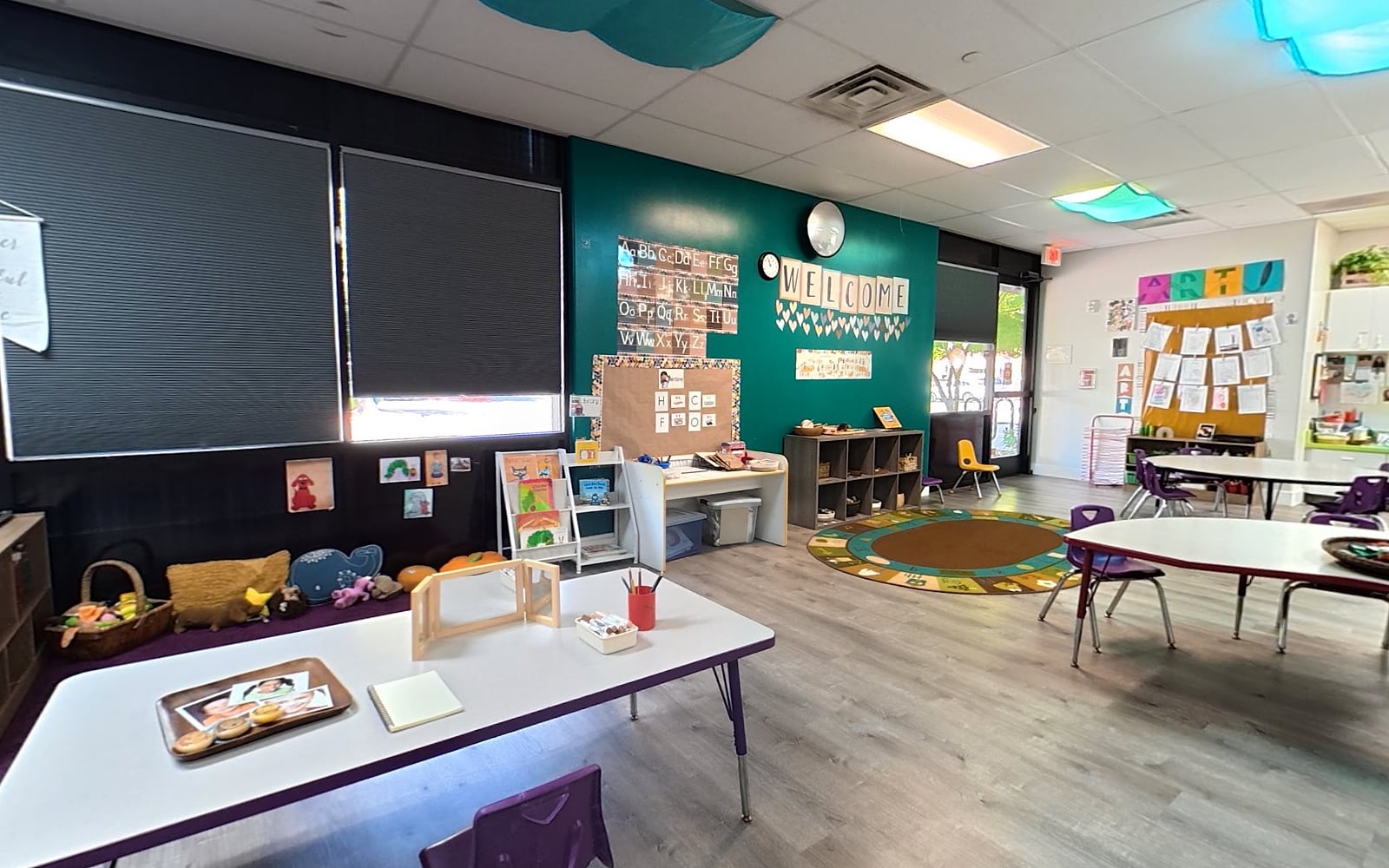
A play-based preschool and pre-K classroom gives children daily practice with every skill on this list. Through hands-on learning centers, group time, art, music, outdoor play and friendships, children build academic foundations and the social-emotional confidence they need to step into kindergarten ready to shine.
Pre-K and Preschool at Kids Inc. in Folsom, CA
At Kids Inc. Preschool & Discovery Center, our preschool and pre-K program helps children build early literacy, math and science skills, along with friendships and confidence, through play-based learning in bright, welcoming classrooms. With three campuses across Folsom (Palladio, Natoma Station and Prairie City) and hours from 6:00 AM to 6:00 PM, Monday through Friday, we make it easy for busy families.
Want to see our classrooms in action? Browse our photo gallery, then schedule a tour or call us at 916-353-0300.
Leave a Reply